Master in AI/ML ,Deep Learning, Generative AI & Agentic AI
✅ Live Online Classes
✅ Hands-on Projects & Real Case Studies
✅ Training by Industry Experts
✅ Generative AI & Agentic AI Specialization
✅ LMS Access with Recordings
✅ Live Industry Mentorship
✅ Profile Building & Placement Assistance
Advanced Program in Industrial Data Science (APIDS)
The Advanced Program in Industrial Data Science (APIDS) course equips you with essential skills in database programming, reporting, data visualization, statistics, advanced analytics, and artificial intelligence. You will learn to analyze and visualize large datasets, identify patterns and trends, and present insights effectively through charts, dashboards, and reports.
The curriculum covers machine learning and AI techniques, including supervised and unsupervised learning, deep learning with Python, TensorFlow, and Keras, as well as reinforcement learning for building AI-driven solutions like recommender systems. Additionally, you will explore generative AI techniques and cloud computing, enabling you to automate processes, uncover new data patterns, and develop AI-centric business solutions.
What you will learn in (APIDS)?
First step to learn DBMS Programming skills that helps in managing complex data model from various sources of information files. Combine these files into structured form for data to analysis and reporting.
- Excel Base and Advanced
- SQL Base and Advanced Programming
- Python Base and Advanced Programming
- SAS Base and Advanced Programming
- R Base and Advanced Programming
- Alteryx
Second step is to develop descriptive analytics by transforming data into business KPI and present insights in a storytelling dashboard using advanced reporting and visualization applications.
- Excel Reporting and Dashboard
- Tableau Reporting and Visualizations
- Power BI Reporting and Visualizations
- Qlikview Reporting and Visualizations
- Advanced Analytics in Excel
- Advanced Analytics in SAS
- Advanced Analytics in Python
- Advanced Analytics in R
- Machine Learning in Python
- Deep Learning on Python, Keras and Tensorflow
- AI in Python
A learning that makes you responsible for
- Analyze large datasets to identify patterns, trends, and relationships.
- Clean and preprocess data to ensure its quality and suitability for analysis.
- Exploratory data analysis (EDA) techniques are employed to gain a deeper understanding of the data.
- Use visualization tools and techniques to present findings in a clear and understandable manner. Visualizations such as charts, graphs, and dashboards help stakeholders interpret complex data and make informed decisions.
- Visualization also aids in communicating insights effectively to non-technical stakeholders.
- Apply machine learning algorithms to develop predictive models and make data-driven decisions.
- Train models on historical data to recognize patterns and make predictions or classifications on new data.
- Use techniques include regression, classification, clustering, and deep learning, among others.
- Use Generative AI techniques, such as generative adversarial networks (GANs) or variational autoencoders (VAEs), are used to create new data instances.
- Employ generative AI for tasks like data augmentation, synthetic data generation, or image and text generation.
- Utilize cloud computing platforms like AWS, Azure, or Google Cloud to deploy machine learning models at scale.
- Cloud platforms infrastructure and services for model hosting, monitoring, and management.
- Facilitate seamless integration with other cloud-based services and enable automatic scaling based on demand.
- Cloud deployment ensures accessibility, scalability, reliability, and security of deployed models.
Become an Industry-Ready Data Scientist
Master DBMS programming, advanced analytics, machine learning, and AI through real-time industry projects. Gain hands-on experience with SQL, Python, SAS, R, Tableau, Power BI, and Generative AI—guided by industry experts.
INDUSTRY REAL-TIME
DATA SCIENCE PROJECTS
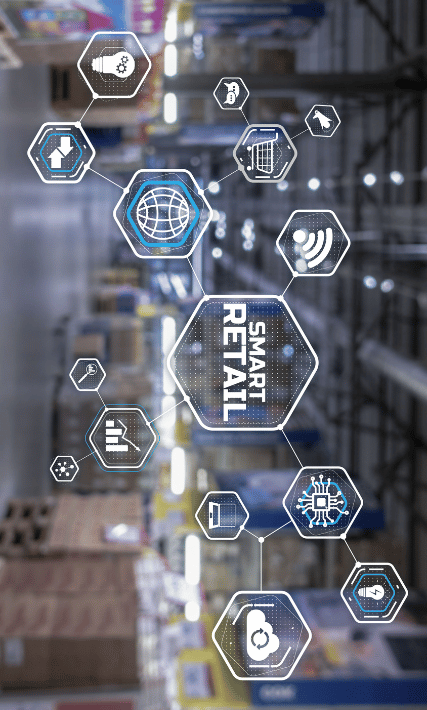
Retail Marketing
The world we live in is evolving every day. There are significant changes in the retail market as opposed to how it was a decade or two ago. With sales worth trillions of dollars worldwide, retail industry is expected to develop even further in the coming days. Data Analytics can be used in the retail industry for various reliable decisions. Be it customer retention or sales prediction, we can develop models using data to provide the best possible solutions.
- DV Analytics solutions include, but are not limited to, the following:
- Targeted customer communication
- Price optimization
- Demand prediction and inventory management
- Customer experience enhancement
- Market trend prediction
- Customer retention
- Strategic business decisions to increase sales
Banking
The remarkable variations that have happened in the banking industry over the past few years are not momentary. Many organizations are adapting to the latest trends in technology and are changing their business structure for enhanced security and the best customer experience. To make better business decisions, banks need to connect various data from both structured and unstructured sources. Banking analytics aids in providing valuable insights by gathering, processing, and analyzing data.
- DV Analytics solutions can help you in the following:
- Customer identification and acquisition
- Portfolio analysis and risk management
- Customer retention
- Credit risk analysis
- Collection analysis
- Marketing analysis

Telecom
The telecommunication industry has evolved rapidly, from satellite internet to 5G technologies. As competition intensifies, telecom companies face increasing challenges in delivering superior services and maintaining a competitive edge. Telecom data analytics enables organizations to analyze trends, optimize operations, predict outcomes, and make data-driven decisions that reduce costs, increase sales, maximize profitability, and effectively manage risks.
- Some of the Telecom analytics solutions that DV Analytics offers are:
- Targeted customer communication
- Price optimization
- Demand prediction and inventory management
- Customer experience enhancement
- Market trend prediction

E-Commerce
- DV Analytics ecommerce solutions consists of:
- Information analysis
- Inventory forecasting
- Customer experience analysis and targeted customer communication
- Fraud prevention
- Marketing analysis
- Price optimization

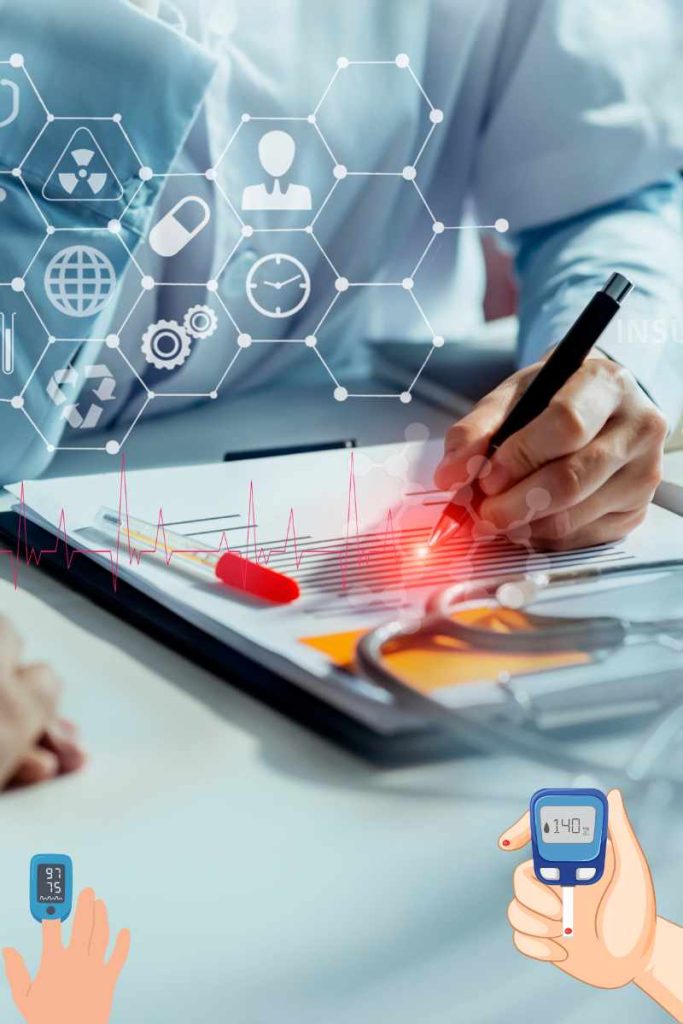
Healthcare
- We at DV Analytics solutions can help your organization with:
- Risk Analysis
- Insurance claim analysis
- Operations analysis
- Patient care analysis
- Performance monitoring
- Operational and interactive dashboards
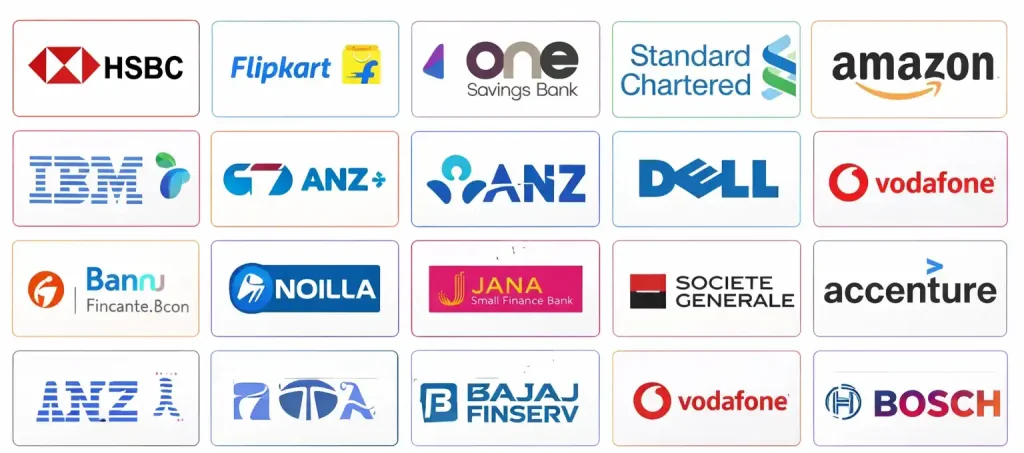
Our Alumni Working With Industry Leaders
DATA SCIENCE PROJECTS
Become an Industry-Ready Data Scientist
Master DBMS programming, advanced analytics, machine learning, and AI through real-time industry projects. Gain hands-on experience with SQL, Python, SAS, R, Tableau, Power BI, and Generative AI—guided by industry experts.