AI Literacy for Everyday Life
A practical, non-technical journey to help parents use AI safely, confidently, and meaningfully in daily life.
Understand AI without technical knowledge
Guide children to use AI ethically and responsibly
Reduce daily stress with smarter AI support
Stay in control instead of blindly trusting technology
About AI Literacy Course
AI Literacy for Everyday Life is a practical, parent-first course designed to remove fear, confusion, and over-dependence around AI. Instead of technical theory, it focuses on real situations families face every day — children using AI for homework, parents navigating career changes, managing health routines, finances, creativity, and daily planning. The course explains how AI actually works, where it fails, and how to use it as a supportive assistant rather than an authority, so families stay informed, confident, and in control.
Through clear frameworks, real-life examples, and live demonstrations of commonly used AI tools, parents learn how to guide their children ethically, protect family privacy, verify information, and reduce mental load. By the end of the course, participants don’t just “know about AI” — they have practical systems, healthy boundaries, and digital independence that help AI serve family life, not replace judgment or human thinking.
AI Literacy Course Curriculum
Understanding why AI is now a life skill for families
- How AI is already shaping children’s education, work, and daily decisions
- Why parents were never taught AI — and why that gap matters
- Risks of misuse, blind trust, and over-dependence
- How AI literacy restores confidence and control
Demystifying AI in plain language
- What AI really is (and what it is not)
- How AI generates answers
- Why AI can sound confident yet be wrong
- Using AI as an assistant, not an authority
Using AI responsibly at home
- Hallucinations, bias, and misinformation
- How to verify AI outputs
- Protecting family privacy and data
- Teaching children ethical AI use
- Setting healthy boundaries with AI
The framework that anchors the course
- Children’s Learning & Education
- Parents’ Career Growth
- Health & Wellness
- Personal Finance (no advice)
- Creativity & Expression
- Productivity & Life Management
- Digital Independence
Each pillar is explored through real-life use cases and live demonstrations.
Helping children learn ethically with AI
- Homework explanation (without cheating)
- Study and exam planning
- Career exploration and subject clarity
- Teaching children how to question and verify AI
Using AI for professional confidence and growth
- CV and profile enhancement
- Skill gap identification
- Learning roadmap creation
- Career transition exploration
Smarter everyday decisions (not advice)
Health & Wellness
- Meal planning and routines
- Fitness and wellness tracking
- Mental wellbeing support
Personal Finance
- Budgeting and expense clarity
- Goal planning and prioritisation
Unlocking creativity with AI
- Writing blogs, posts, and articles
- Social media content creation
- Visual and design support
- Expressing ideas confidently
Reducing mental load using AI
- Daily and weekly planning
- Family scheduling
- Travel planning
- Task organisation and prioritisation
Owning your digital presence
- Creating a simple personal website
- Building a basic portfolio
- Organising a family knowledge hub
- Reducing dependence on others for digital tasks
Hands-on exposure to real AI tools
Participants experience live demos across:
- Chatbots & research assistants
- Presentations & content creation
- Email & productivity tools
- Scheduling, design, and website builders
Tools include platforms such as ChatGPT, Gemini, Perplexity, Gamma, Canva, scheduling tools, and AI writing assistants
AI Literacy Curriculum 12 pages
What participants walk away with
- Confidence using AI safely
- Better guidance for children
- Reduced overwhelm
- Clear verification habits
- Practical systems for daily life
A learning that makes you responsible for
- Knowing what AI can do, what it cannot do, and where it can mislead.
- Recognising confident-sounding errors, bias, and misinformation.
- Protecting personal and family data.
- Using AI responsibly without over-dependence.
- Setting healthy boundaries for yourself and your children.
- Questioning AI outputs instead of blindly trusting them.
- Verifying information before acting on it.
- Teaching children how to think with AI, not think for AI.
- Using AI to support learning, work, health, finances, and daily planning.
- Staying in control of decisions while reducing mental load.
- Using AI confidently without needing technical expertise.
- Owning your digital life instead of relying on others.
Become AI-Literate for Everyday Life
Learn to use AI safely, confidently, and responsibly in daily family life. Understand how AI works, where it can fail, and how to guide children ethically—through real-life examples, practical systems, and hands-on tool demonstrations. No coding, no technical background required.
INDUSTRY REAL-TIME
DATA SCIENCE PROJECTS
Retail Marketing
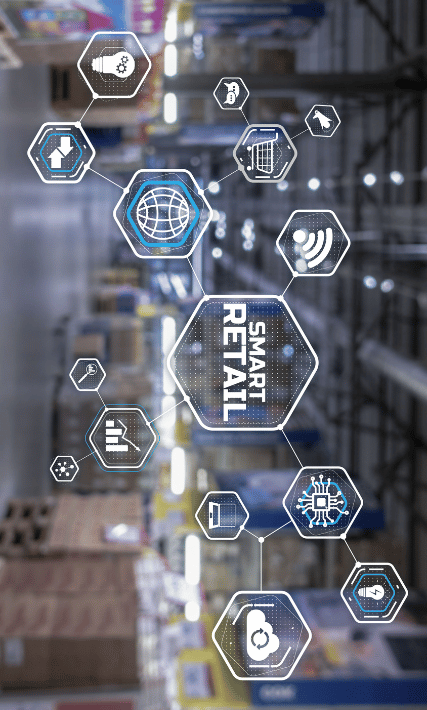
The world we live in is evolving every day. There are significant changes in the retail market as opposed to how it was a decade or two ago. With sales worth trillions of dollars worldwide, retail industry is expected to develop even further in the coming days. Data Analytics can be used in the retail industry for various reliable decisions. Be it customer retention or sales prediction, we can develop models using data to provide the best possible solutions.
- DV Analytics solutions include, but are not limited to, the following:
- Targeted customer communication
- Price optimization
- Demand prediction and inventory management
- Customer experience enhancement
- Market trend prediction
- Customer retention
- Strategic business decisions to increase sales
Banking
The remarkable variations that have happened in the banking industry over the past few years are not momentary. Many organizations are adapting to the latest trends in technology and are changing their business structure for enhanced security and the best customer experience. To make better business decisions, banks need to connect various data from both structured and unstructured sources. Banking analytics aids in providing valuable insights by gathering, processing, and analyzing data.
- DV Analytics solutions can help you in the following:
- Customer identification and acquisition
- Portfolio analysis and risk management
- Customer retention
- Credit risk analysis
- Collection analysis
- Marketing analysis

Telecom
The telecommunication industry has evolved rapidly, from satellite internet to 5G technologies. As competition intensifies, telecom companies face increasing challenges in delivering superior services and maintaining a competitive edge. Telecom data analytics enables organizations to analyze trends, optimize operations, predict outcomes, and make data-driven decisions that reduce costs, increase sales, maximize profitability, and effectively manage risks.
- Some of the Telecom analytics solutions that DV Analytics offers are:
- Targeted customer communication
- Price optimization
- Demand prediction and inventory management
- Customer experience enhancement
- Market trend prediction

E-Commerce
- DV Analytics ecommerce solutions consists of:
- Information analysis
- Inventory forecasting
- Customer experience analysis and targeted customer communication
- Fraud prevention
- Marketing analysis
- Price optimization

Healthcare
- We at DV Analytics solutions can help your organization with:
- Risk Analysis
- Insurance claim analysis
- Operations analysis
- Patient care analysis
- Performance monitoring
- Operational and interactive dashboards

Our Alumni Working With Industry Leaders
DATA SCIENCE PROJECTS
Become AI-Literate for Everyday Life
Learn to use AI safely, confidently, and responsibly in daily family life. Understand how AI works, where it can fail, and how to guide children ethically—through real-life examples, practical systems, and hands-on tool demonstrations. No coding, no technical background required.